


Can Disposable Eco Tableware Be Used in Microwaves and Freezers? Technical Safety Guide for Buyers
Comprehensive Thermal Performance Analysis for Foodservice Applications
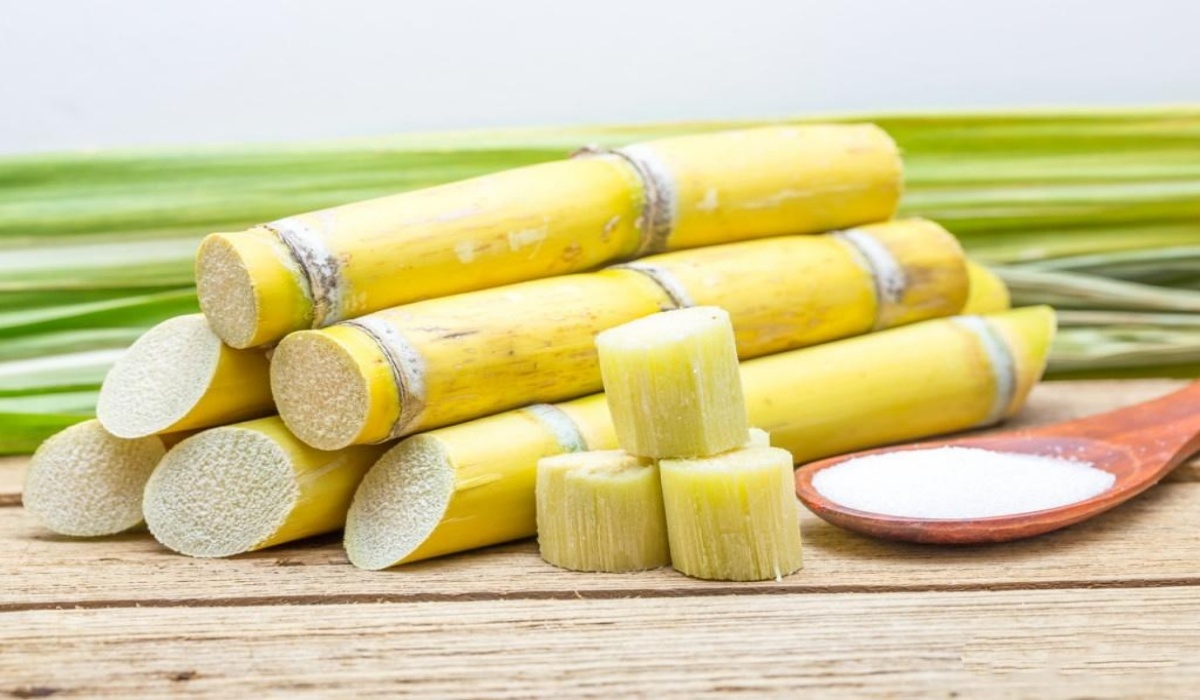
One of the most common questions from European and U.S. buyers is whether eco-friendly tableware—especially bagasse and cornstarch products—can safely be used in microwaves and freezers. Because these products serve restaurants, meal-prep brands, and take-out chains, thermal performance is a crucial factor. This article provides a comprehensive technical explanation based on laboratory testing and real-world applications.
1. Microwave Safety: Understanding Heat Resistance Limits
Safe microwave use depends on material composition, density, and structural design. Both bagasse and cornstarch offer microwave compatibility but with different performance characteristics.
Bagasse: Superior Microwave Performance
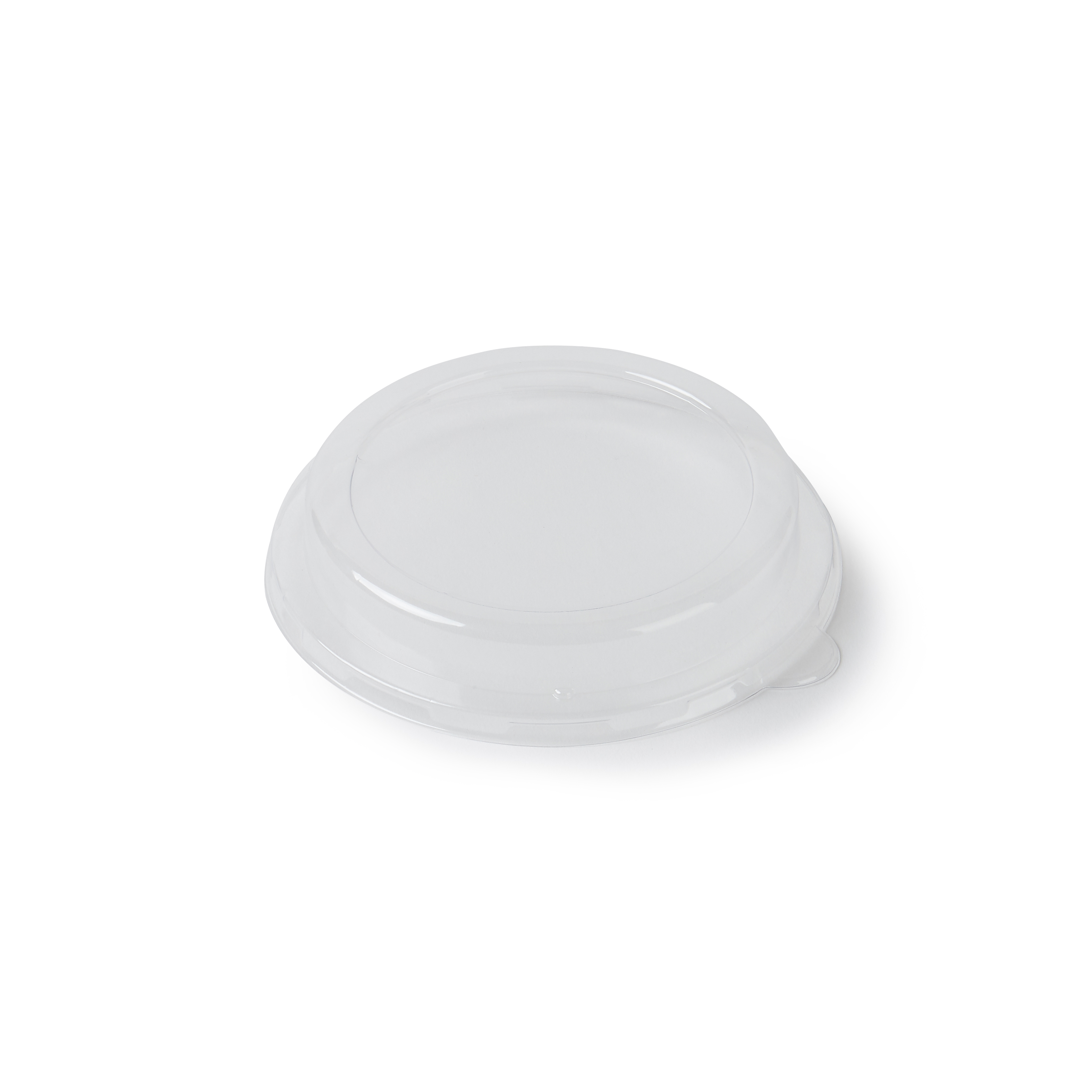
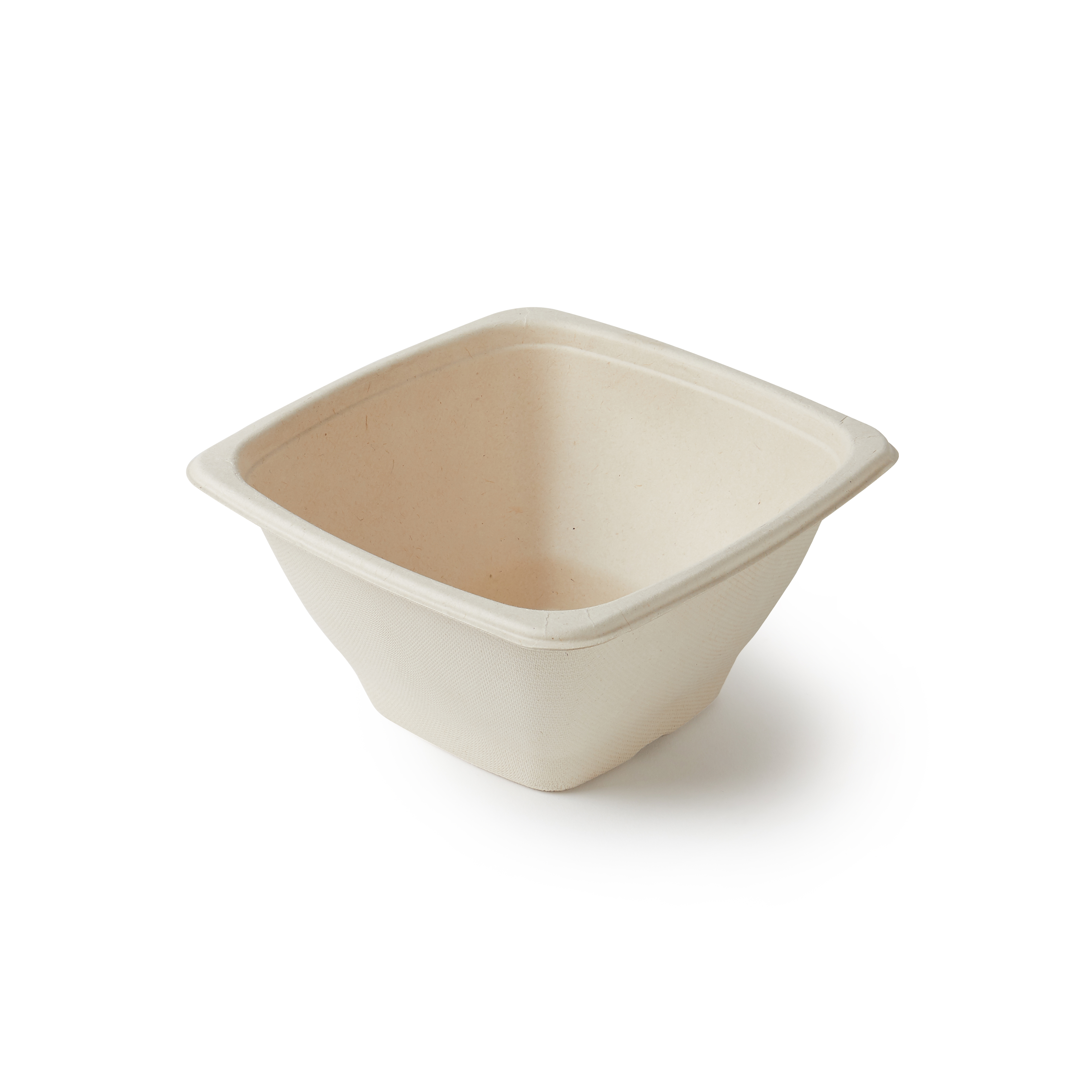
Bagasse products offer excellent heat resistance due to their fiber density. Laboratory tests show that bagasse plates, bowls, and clamshells can withstand 100-120°C in microwaves for up to 5 minutes without deformation. This makes them suitable for reheating soups, rice, noodles, and oily dishes commonly sold by cafes, delis, and delivery kitchens.
Cornstarch: Reliable for Shorter Durations
Cornstarch items also offer solid performance but with slightly narrower heat resistance. Most cornstarch containers and utensils function safely at 100°C and handle microwave exposure for 2-3 minutes. However, extended heating beyond this range may cause softening, so buyers serving boiling-hot food may prefer bagasse.
| Material | Maximum Microwave Time | Temperature Resistance | Best Applications |
|---|---|---|---|
| Bagasse | Up to 5 minutes | 100-120°C | Soups, curries, oily foods, meal prep reheating |
| Cornstarch | 2-3 minutes | Up to 100°C | Warm foods, shorter reheating cycles, cutlery |
2. Freezer Performance: Cold Storage Capabilities
Freezer performance is equally important for businesses involved in meal prep, frozen food distribution, and cold-chain logistics.
Bagasse: Deep-Freeze Stability
Freezer performance is equally important. Bagasse maintains stability at temperatures as low as -20°C, making it suitable for frozen meals, bakery storage, and cold-chain meal-prep services. Freezer cycles do not cause cracking or fiber breakdown, even after 48-hour storage tests.
Cornstarch: Moderate Freezer Performance
In cold environments, cornstarch products typically perform well down to -10°C, though brittleness may increase if stored for extended periods. For deep-freeze meal prep, bagasse is generally the more stable option.
3. Testing Protocols and Compliance Standards
Safety testing follows rigorous international standards to ensure products meet regulatory requirements for food contact under thermal stress.
| Standard | Region | Key Requirements | Testing Focus |
|---|---|---|---|
| FDA 21 CFR | United States | Food contact safety, chemical migration limits | Microwave heating, freezer exposure, material stability |
| EU 10/2011 | European Union | Plastic materials in contact with food | Thermal resistance, substance migration, structural integrity |
| LFGB | Germany | Food and commodity safety | Comprehensive thermal and chemical testing |
Testing protocols follow standards such as FDA 21 CFR, EU 10/2011, and LFGB, ensuring products meet food-contact safety requirements under both hot and cold conditions. Buyers supplying regulated markets should request batch-specific test reports to ensure compliance and verify that products have been tested under conditions similar to their intended use.
4. Application-Specific Recommendations
Choosing the right material depends on specific business needs and thermal requirements.
| Business Type | Primary Thermal Needs | Recommended Material | Key Benefits |
|---|---|---|---|
| Meal Prep Services | Freezer storage + microwave reheating | Bagasse | Stable at -20°C, microwave-safe for 5+ minutes |
| Take-out Restaurants | Hot food holding + short reheating | Bagasse or Cornstarch | Heat resistance, oil barrier, customer-ready |
| Bakery & Frozen Foods | Long-term freezer storage | Bagasse | No cracking at low temperatures, maintains shape |
| Cafes & Quick Service | Warm food serving | Cornstarch | Cost-effective, adequate heat resistance |
5. Conclusion: Making Informed Material Choices
In conclusion, both materials perform well in microwaves and freezers, but bagasse offers the broadest safety range and is the better choice for businesses serving hot or oily foods. Selecting the right material ensures better customer experience, fewer returns, and long-term product reliability.
For maximum thermal performance across both microwave and freezer applications, bagasse provides superior durability and safety margins. Cornstarch offers reliable performance for less demanding thermal applications. By understanding the specific thermal requirements of your business and matching them with the appropriate material properties, you can ensure optimal performance, regulatory compliance, and customer satisfaction.
When evaluating suppliers, request detailed thermal test reports and consider conducting your own validation tests with sample products. This due diligence ensures that the tableware you select will perform reliably under the specific conditions of your foodservice operation, protecting both your customers and your brand reputation.